
 Girl's name
Ania
Ania is a Polish diminutive of Anna, meaning grace, symbolizing elegance and kindness with Hebrew origins.



big stories

Meaning of Ania
Ania is a Polish diminutive of Anna, meaning grace, symbolizing elegance and kindness with Hebrew origins.
The name Ania is often associated with qualities of kindness, warmth, and gentleness.

Origin & background of Ania
Ania is a charming and affectionate diminutive form of the name Anna, which has deep roots in multiple cultures. The name Anna is derived from the Hebrew name Hannah, meaning 'grace' or 'favor,' and has been widely embraced across Christian, Jewish, and secular traditions. In Poland and other Slavic countries, Ania is a popular and endearing form used to express warmth and familiarity, often given to beloved daughters.
Historically, the name Anna has been associated with numerous saints and royal figures, enhancing its regal and timeless appeal. Over the centuries, Ania has maintained its cultural significance as a name that embodies kindness, elegance, and humility. Its simplicity and lyrical sound make it a favorite choice for parents seeking a name that is both classic and approachable. The name continues to be cherished across various cultures, symbolizing grace and virtue in many societies, and adapting well to modern naming trends while retaining its traditional charm.
Popularity in England and Wales

Popularity in the app


Associations with the name Ania
What follows describes the associations naming traditions attach to this name, not the people who carry it.
The name Ania is often associated with qualities of kindness, warmth, and gentleness. It evokes a personality that is caring, empathetic, and approachable, reflecting the meaning of grace and favor embedded in its origin. People named Ania are often seen as nurturing and friendly, with a natural ability to create a welcoming atmosphere around them.
There is also a sense of elegance and refinement linked to the name, suggesting a personality that values tradition, beauty, and sincerity. Ania bearers are typically considered thoughtful and compassionate, often drawn to artistic or creative pursuits that allow their expressive nature to flourish. Overall, the name suggests a person who embodies grace in both demeanor and actions, inspiring trust and affection in those they meet.

Spellings & variants
We know of no other spellings of Ania yet. If we find them, they will be here.

Famous bearers
No widely known bearers are known. While Ania is a popular name in Poland and among Polish communities worldwide, there are no internationally renowned public figures with this exact name who have Wikipedia pages. However, the name is often associated with artists, writers, and performers in regional contexts, contributing to its cultural presence.
It is a name that resonates with warmth and familiarity, often chosen by families who appreciate its gentle sound and meaningful origin. The name’s widespread use in Eastern Europe and among Polish diaspora communities underscores its enduring appeal and cultural significance.
Similar names
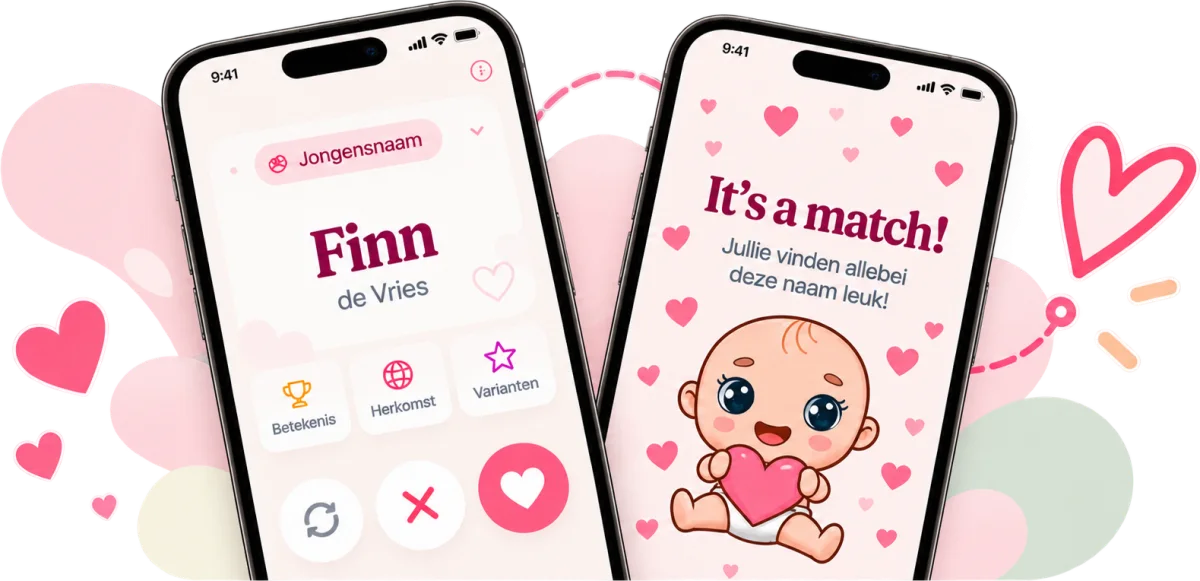
1% of the people who saw Ania in the app liked it. Swipe together and find out whether your partner keeps it too.
Do you like Ania?
Swipe this name in the Baby Name Swiper app and find out whether your partner likes it too.

Frequently asked questions about Ania
What does the name Ania mean?
Ania is a Polish diminutive of Anna, meaning grace, symbolizing elegance and kindness with Hebrew origins.
How popular is Ania?
In 2025, 11 children in England and Wales were given this name. Source: Office for National Statistics. Within Baby Name Swiper Ania sits at number 5354, and 1% of the people who saw it liked it.
Is Ania a boy's or girl's name?
Ania is a girl's name.
Which famous people are named Ania?
Famous people named Ania include: No widely known bearers are known. While Ania is a popular name in Poland and among Polish communities worldwide, there are no internationally renowned public figures with this exact name who have Wikipedia pages. However, the name is often associated with artists, writers, and performers in regional contexts, contributing to its cultural presence. It is a name that resonates with warmth and familiarity, often chosen by families who appreciate its gentle sound and meaningful origin. The name’s widespread use in Eastern Europe and among Polish diaspora communities underscores its enduring appeal and cultural significance.