
 Boy's name
Armon
Armon is a Hebrew name meaning 'palace' or 'castle,' symbolizing strength and protection in ancient traditions.



big stories

Meaning of Armon
Armon is a Hebrew name meaning 'palace' or 'castle,' symbolizing strength and protection in ancient traditions.
Names like Armon are often associated with qualities of strength, stability, and protection.

Origin & background of Armon
The name Armon has roots in Hebrew language and culture, where it is associated with the concepts of strength, protection, and grandeur. Historically, the word 'Armon' refers to a palace or a castle, symbolizing a place of safety and authority. In biblical and ancient texts, such structures often represented divine protection and royal power, which adds a layer of nobility to the name.
Over centuries, Armon has maintained its cultural significance within Jewish communities and has been used to evoke qualities of stability and resilience. Its simplicity and strong phonetic sound have made it appealing across different regions and cultures, especially in modern times where names with historical depth are cherished. Today, Armon is often chosen for its meaningful connection to heritage and its modern, yet timeless, appeal, making it a popular choice for parents seeking a name that embodies strength and protection for their child.
Popularity by country
No national register has reported Armon, so we would rather show nothing than a figure we estimated.

Popularity in the app


Associations with the name Armon
What follows describes the associations naming traditions attach to this name, not the people who carry it.
Names like Armon are often associated with qualities of strength, stability, and protection. People with this name are traditionally thought to be resilient, dependable, and noble, embodying a sense of inner strength and leadership. They tend to be protective of their loved ones and are often seen as trustworthy and authoritative figures.
The name also carries connotations of dignity and grandeur, suggesting a personality that values tradition and stability. Those named Armon are often perceived as calm, composed, and confident, with an innate ability to provide comfort and security to those around them. Overall, the personality traits linked to this name highlight qualities of resilience, trustworthiness, and a noble character, making it a fitting choice for parents who wish to see these virtues reflected in their child's personality.

Spellings & variants
We know of no other spellings of Armon yet. If we find them, they will be here.

Famous bearers
No widely known bearers are known. There are no prominent public figures with the name Armon who have widely recognized biographies or significant cultural influence. The name remains primarily popular within certain communities and regions, appreciated for its historical and linguistic roots rather than for specific individuals. Its use continues to grow as parents seek meaningful names that reflect strength and heritage.
Similar names
1% of the people who saw Armon in the app liked it. Swipe together and find out whether your partner keeps it too.
Do you like Armon?
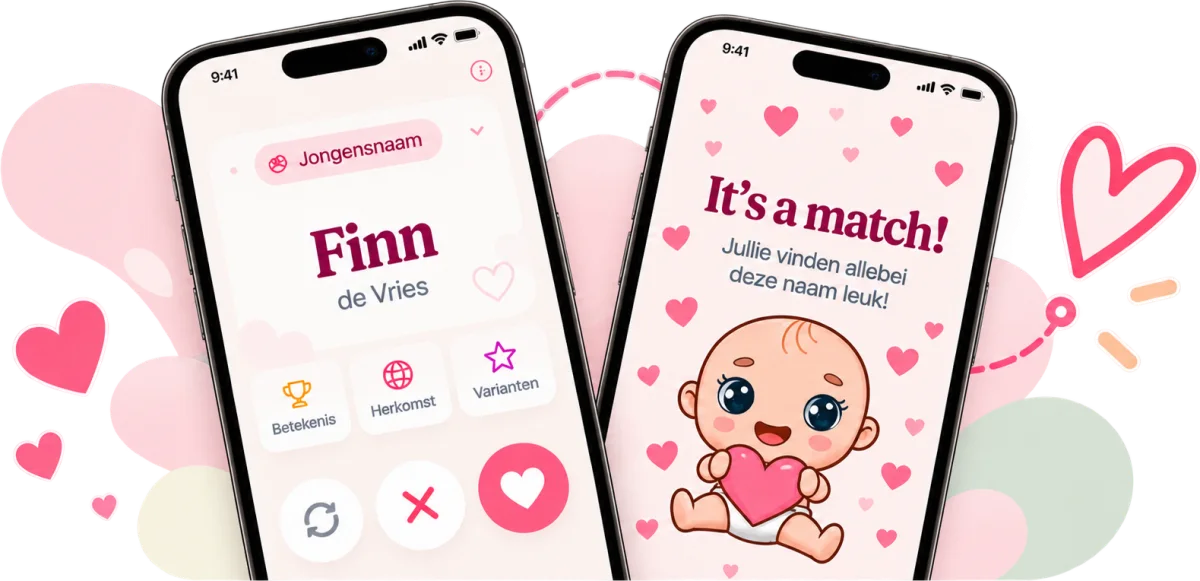
Swipe this name in the Baby Name Swiper app and find out whether your partner likes it too.

Frequently asked questions about Armon
What does the name Armon mean?
Armon is a Hebrew name meaning 'palace' or 'castle,' symbolizing strength and protection in ancient traditions.
How popular is Armon?
Within Baby Name Swiper Armon sits at number 6328, and 1% of the people who saw it liked it.
Is Armon a boy's or girl's name?
Armon is a boy's name.
Which famous people are named Armon?
Famous people named Armon include: No widely known bearers are known. There are no prominent public figures with the name Armon who have widely recognized biographies or significant cultural influence. The name remains primarily popular within certain communities and regions, appreciated for its historical and linguistic roots rather than for specific individuals. Its use continues to grow as parents seek meaningful names that reflect strength and heritage.