
 Boy's name
Ate
Ate is a Dutch and German name meaning 'father of peace,' symbolizing harmony and paternal strength.



big stories

Meaning of Ate
Ate is a Dutch and German name meaning 'father of peace,' symbolizing harmony and paternal strength.
The name Ate is often associated with qualities of stability, wisdom, and calmness.

Origin & background of Ate
Ate is a name rooted in historical and cultural significance within Dutch and German traditions. Its etymology is linked to the Germanic element 'Atha,' meaning 'father,' combined with a connotation of peace or harmony, making it a name that embodies paternal strength and serenity. Historically, the name has been used in various Germanic regions, often associated with figures of leadership and stability, reflecting qualities of protection and wisdom.
In Dutch culture, Ate has been a traditional name passed down through generations, often linked to familial bonds and societal harmony. The name's usage across different periods highlights its enduring appeal as a symbol of peace and paternal authority, resonating with parents seeking a name that conveys both strength and tranquility. Though less common today, Ate retains its cultural depth, reminding us of the importance of harmony and paternal care in societal values and personal identity.
Popularity by country
No national register has reported Ate, so we would rather show nothing than a figure we estimated.

Popularity in the app


Associations with the name Ate
What follows describes the associations naming traditions attach to this name, not the people who carry it.
The name Ate is often associated with qualities of stability, wisdom, and calmness. It conveys a sense of paternal strength and authority, suggesting a person who is dependable and protective. Traditionally, individuals named Ate are perceived as harmonious, empathetic, and considerate, embodying the virtues of peace and balance.
The name also hints at leadership qualities, with an underlying sense of guardianship and moral integrity. Those with this name are often viewed as nurturing figures, valuing family bonds and societal harmony. Overall, Ate evokes a personality that is grounded, trustworthy, and compassionate, emphasizing the importance of peace and paternal care in personal and communal relationships.

Spellings & variants
We know of no other spellings of Ate yet. If we find them, they will be here.

Famous bearers
No widely known bearers are known. There are no prominent public figures with the name Ate who meet the criteria for notable recognition on international platforms or Wikipedia. The name remains more common as a traditional or personal family name within Dutch and German communities, rather than a name associated with widely recognized personalities. Its cultural significance is thus more rooted in historical and regional contexts rather than modern celebrity culture.
Similar names
1% of the people who saw Ate in the app liked it. Swipe together and find out whether your partner keeps it too.
Do you like Ate?
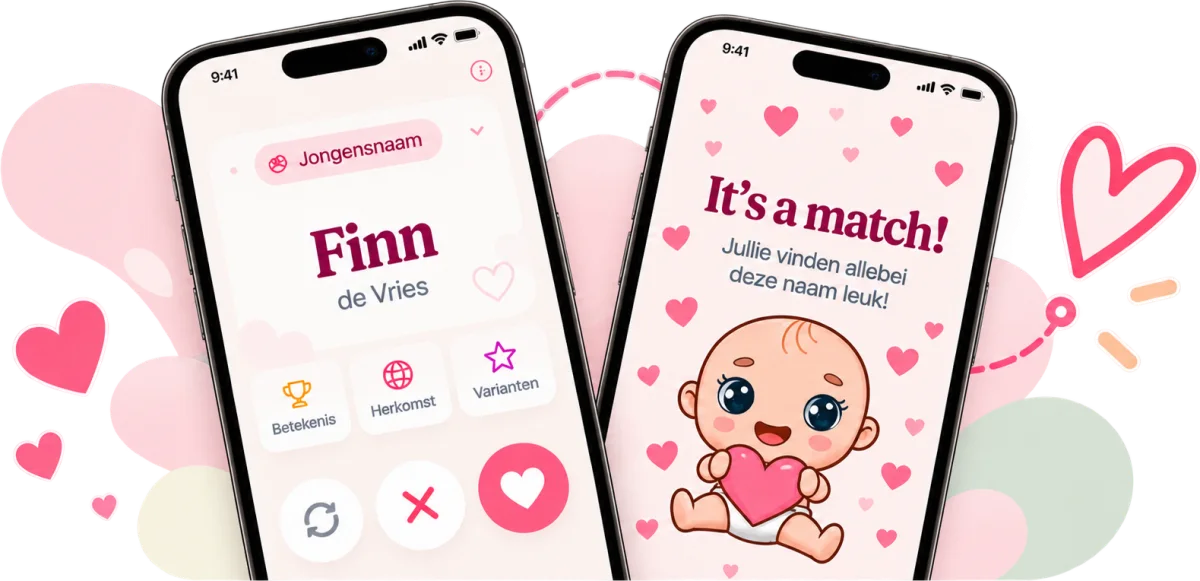
Swipe this name in the Baby Name Swiper app and find out whether your partner likes it too.

Frequently asked questions about Ate
What does the name Ate mean?
Ate is a Dutch and German name meaning 'father of peace,' symbolizing harmony and paternal strength.
How popular is Ate?
Within Baby Name Swiper Ate sits at number 2353, and 1% of the people who saw it liked it.
Is Ate a boy's or girl's name?
Ate is a boy's name.
Which famous people are named Ate?
Famous people named Ate include: No widely known bearers are known. There are no prominent public figures with the name Ate who meet the criteria for notable recognition on international platforms or Wikipedia. The name remains more common as a traditional or personal family name within Dutch and German communities, rather than a name associated with widely recognized personalities. Its cultural significance is thus more rooted in historical and regional contexts rather than modern celebrity culture.