
 Girl's name
Atze
Atze is a Frisian and Dutch name meaning 'father of peace,' symbolizing harmony and leadership in Northern Europe.


big stories

Meaning of Atze
Atze is a Frisian and Dutch name meaning 'father of peace,' symbolizing harmony and leadership in Northern Europe.
Names like Atze are often linked to traits of calmness, wisdom, and authority.

Origin & background of Atze
Atze is a traditional name rooted in Frisian and Dutch heritage, with origins that likely stem from older Germanic elements. The name's meaning, 'father of peace,' reflects qualities of harmony, stability, and leadership, which were highly valued in early communities. Historically, the name has been used predominantly in the northern regions of the Netherlands and Friesland, symbolizing a paternal figure or a person who fosters peace within their community.
Over time, Atze has retained its cultural significance, often associated with qualities of wisdom and calm authority. While less common today, the name remains a cherished part of regional identity, embodying a sense of tradition and familial strength. Its simplicity and meaningful origin continue to resonate with parents who seek a name that conveys both peace and leadership, linking modern identity to historical roots across Northern Europe.
Popularity by country
No national register has reported Atze, so we would rather show nothing than a figure we estimated.

Popularity in the app


Associations with the name Atze
What follows describes the associations naming traditions attach to this name, not the people who carry it.
Names like Atze are often linked to traits of calmness, wisdom, and authority. Individuals with this name are traditionally thought to embody a peaceful nature, acting as mediators and stabilizers within their social circles. They are often perceived as dependable, nurturing, and protective, reflecting the meaning 'father of peace.
People named Atze are believed to possess a strong sense of responsibility and leadership qualities, inspiring trust and respect from others. Their personalities tend to be grounded, approachable, and wise, making them natural figures of guidance and harmony. The name's cultural roots further emphasize qualities of community-mindedness and a caring disposition, traits that are highly valued in familial and societal roles.

Spellings & variants
We know of no other spellings of Atze yet. If we find them, they will be here.

Famous bearers
No widely known bearers are known. The name Atze is primarily used within regional communities and does not have prominent global figures associated with it. It is often chosen for its cultural significance rather than fame, and many individuals bearing the name are private citizens or local figures.
Its usage tends to be more common in Friesland and northern Dutch regions, where it maintains a traditional and familial charm. Although not associated with internationally recognized personalities, the name holds a special place in Dutch and Frisian heritage as a symbol of peace and leadership, symbolically passing down cultural values through generations.
Similar names
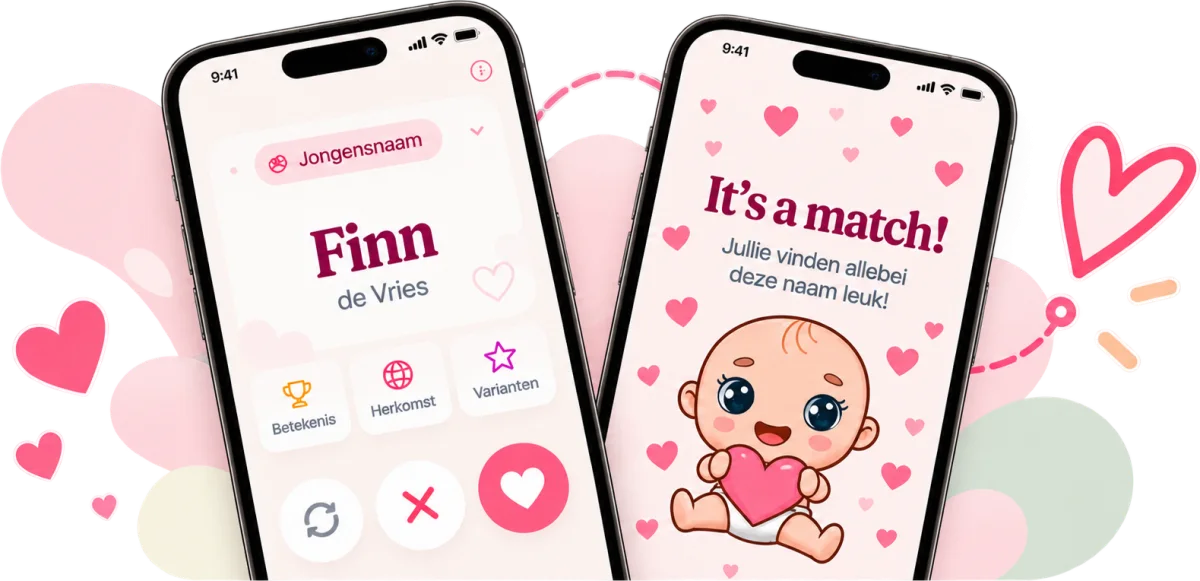
1% of the people who saw Atze in the app liked it. Swipe together and find out whether your partner keeps it too.
Do you like Atze?
Swipe this name in the Baby Name Swiper app and find out whether your partner likes it too.

Frequently asked questions about Atze
What does the name Atze mean?
Atze is a Frisian and Dutch name meaning 'father of peace,' symbolizing harmony and leadership in Northern Europe.
How popular is Atze?
Within Baby Name Swiper Atze sits at number 3149, and 1% of the people who saw it liked it.
Is Atze a boy's or girl's name?
Atze is a girl's name.
Which famous people are named Atze?
Famous people named Atze include: No widely known bearers are known. The name Atze is primarily used within regional communities and does not have prominent global figures associated with it. It is often chosen for its cultural significance rather than fame, and many individuals bearing the name are private citizens or local figures. Its usage tends to be more common in Friesland and northern Dutch regions, where it maintains a traditional and familial charm. Although not associated with internationally recognized personalities, the name holds a special place in Dutch and Frisian heritage as a symbol of peace and leadership, symbolically passing down cultural values through generations.