
 Boy's name
Charlemagne
Charlemagne is a Germanic name meaning free man, of Frankish origin, famed through Charlemagne the Great, symbolizing power and legacy.


big stories

Meaning of Charlemagne
Charlemagne is a Germanic name meaning free man, of Frankish origin, famed through Charlemagne the Great, symbolizing power and legacy.
Charlemagne is traditionally associated with strength, authority, and noble ambition.

Origin & background of Charlemagne
Charlemagne is the French form of the Frankish name Karl, later Latinized as Carolus Magnus, meaning “Charles the Great.” Over time, the name became inseparable from the legendary early medieval ruler who united much of Western Europe and helped shape the political and cultural foundations of the continent. Because of that association, Charlemagne carries a sense of grandeur, leadership, and historical weight that few names can match.
The name is deeply rooted in European history and appears most often as a title-like reference rather than a common given name. Its legacy is tied to the Carolingian Renaissance, a period of learning, reform, and renewed interest in scholarship under Charlemagne’s rule. In modern usage, it is rare as a personal name, which gives it an aristocratic and distinctive quality. For parents drawn to names with royal resonance, intellectual heritage, and a strong connection to the past, Charlemagne offers a powerful and memorable choice.

Popularity in France

Popularity in the app
Too few people have swiped Charlemagne for us to say anything useful about its popularity in the app.
Associations with the name Charlemagne
What follows describes the associations naming traditions attach to this name, not the people who carry it.
Charlemagne is traditionally associated with strength, authority, and noble ambition. It suggests a personality that is decisive, disciplined, and comfortable taking responsibility, with a natural air of leadership. Because of its imperial and historical associations, the name also carries connotations of vision, legacy, and a desire to build something lasting.
In naming traditions, Charlemagne feels formal, majestic, and intellectually refined. It may appeal to families who value dignity, cultural depth, and a sense of purpose. The name can also imply wisdom and strategic thinking, along with a steady presence that others trust. Overall, Charlemagne evokes a character who is commanding yet thoughtful, with an enduring sense of gravitas.

Spellings & variants
We know of no other spellings of Charlemagne yet. If we find them, they will be here.

Famous bearers
- C Charlemagne Holy Roman Emperor
- CP Charlemagne Palestine American avant-garde composer
- CP Charlemagne Péralte Haitian resistance leader
Similar names
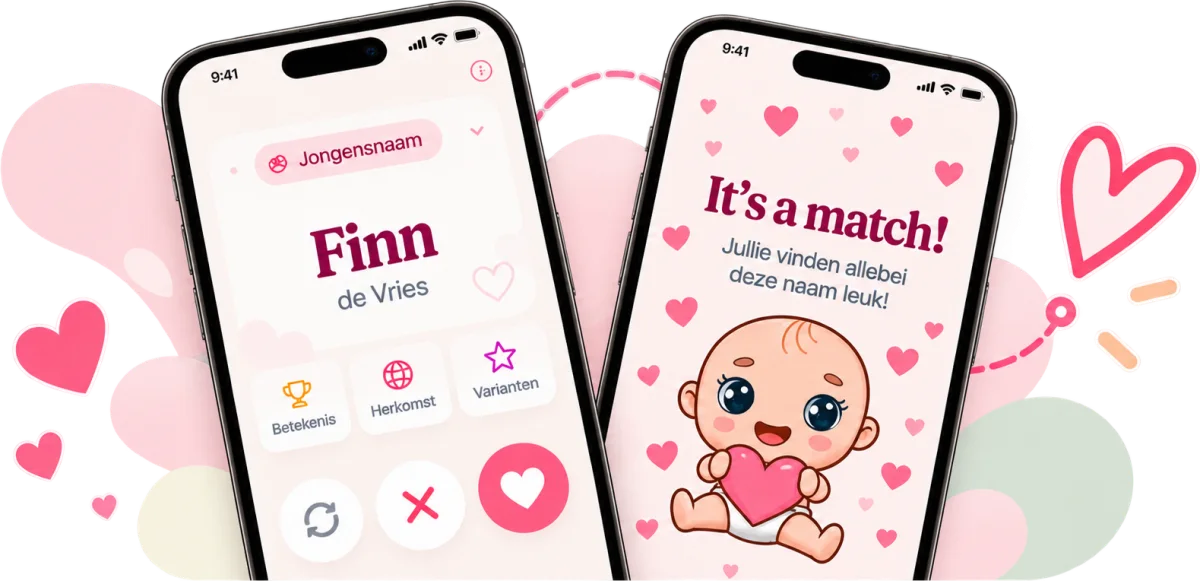
Is Charlemagne on your list? Swipe together and find out whether your partner keeps it too.
Do you like Charlemagne?
Swipe this name in the Baby Name Swiper app and find out whether your partner likes it too.

Frequently asked questions about Charlemagne
What does the name Charlemagne mean?
Charlemagne is a French name. Charlemagne is a Germanic name meaning free man, of Frankish origin, famed through Charlemagne the Great, symbolizing power and legacy.
Where does the name Charlemagne come from?
Charlemagne is a name of French origin.
How popular is Charlemagne?
In 1969, 10 children in France were given this name. Source: INSEE.
Is Charlemagne a boy's or girl's name?
Charlemagne is a boy's name.
How do you pronounce Charlemagne?
Charlemagne has 11 letters. There is a button above to hear it pronounced.
Which famous people are named Charlemagne?
Famous people named Charlemagne include: Charlemagne — Holy Roman Emperor Charlemagne Palestine — American avant-garde composer Charlemagne Péralte — Haitian resistance leader