
 Girl's name
Dagna
Dagna is a Scandinavian name meaning 'new day,' symbolizing hope and fresh beginnings with Nordic origins.


big stories

Meaning of Dagna
Dagna is a Scandinavian name meaning 'new day,' symbolizing hope and fresh beginnings with Nordic origins.
Names like Dagna are often associated with qualities of hope, optimism, and new beginnings.

Origin & background of Dagna
Dagna is a Scandinavian name rooted in the Old Norse language, where it is derived from words meaning 'day' or 'new day. This name carries a sense of optimism and renewal, making it a popular choice among parents who wish to symbolize fresh starts and bright futures for their children. In Norse mythology and history, names associated with new beginnings often reflected the importance of hope and resilience in harsh climates and challenging times.
Over the centuries, Dagna has maintained its cultural significance in Scandinavian countries, particularly Sweden and Norway, where it is sometimes used as a feminine given name. Its poetic and uplifting meaning resonates across generations, embodying the universal human desire for hope, growth, and positive change. Today, Dagna continues to be appreciated for its simplicity, elegance, and meaningful symbolism, making it a timeless choice for parents seeking a distinctive yet meaningful name for their daughter.
Popularity by country
No national register has reported Dagna, so we would rather show nothing than a figure we estimated.

Popularity in the app

Associations with the name Dagna
What follows describes the associations naming traditions attach to this name, not the people who carry it.
Names like Dagna are often associated with qualities of hope, optimism, and new beginnings. People named Dagna may be perceived as gentle, nurturing, and resilient, embodying the spirit of renewal that the name signifies. They are often seen as thoughtful and caring, with a positive outlook on life and a natural inclination to bring light and hope to those around them.
The name suggests a personality that values growth, change, and the pursuit of a brighter future. Such individuals are typically resilient in the face of adversity and possess a warm, approachable demeanor. Overall, Dagna carries connotations of optimism, strength, and a hopeful spirit, making it a meaningful choice for parents who wish to inspire these qualities in their child.

Spellings & variants
We know of no other spellings of Dagna yet. If we find them, they will be here.

Famous bearers
No widely known bearers are known. There are no prominent historical or contemporary figures with the name Dagna who have widespread recognition or a Wikipedia page. The name remains relatively uncommon outside Scandinavian regions, often chosen for its beautiful meaning and cultural roots rather than fame. However, its usage in Scandinavian countries and among those with Nordic heritage underscores its cultural importance and personal significance for families who value tradition and symbolism.
Similar names
Is Dagna on your list? Swipe together and find out whether your partner keeps it too.
Do you like Dagna?
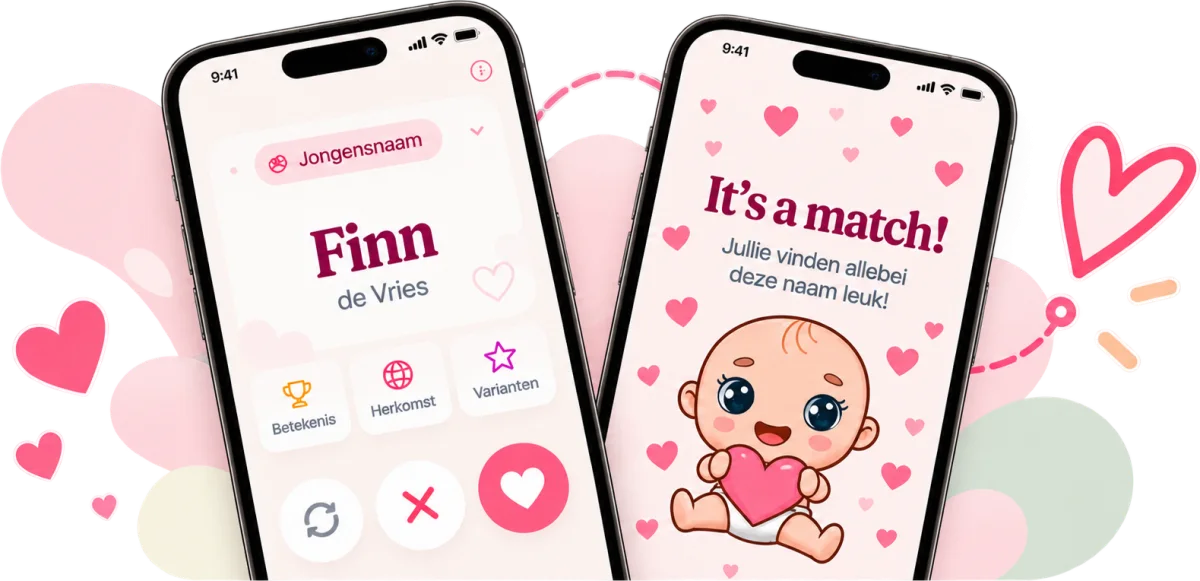
Swipe this name in the Baby Name Swiper app and find out whether your partner likes it too.

Frequently asked questions about Dagna
What does the name Dagna mean?
Dagna is a Scandinavian name meaning 'new day,' symbolizing hope and fresh beginnings with Nordic origins.
How popular is Dagna?
Within Baby Name Swiper Dagna sits at number 12474, and 0% of the people who saw it liked it.
Is Dagna a boy's or girl's name?
Dagna is a girl's name.
Which famous people are named Dagna?
Famous people named Dagna include: No widely known bearers are known. There are no prominent historical or contemporary figures with the name Dagna who have widespread recognition or a Wikipedia page. The name remains relatively uncommon outside Scandinavian regions, often chosen for its beautiful meaning and cultural roots rather than fame. However, its usage in Scandinavian countries and among those with Nordic heritage underscores its cultural importance and personal significance for families who value tradition and symbolism.