
 Girl's name
Pera
Pera is a Slavic name meaning rock or stone, symbolizing strength and stability, often used in Balkan cultures.


big stories

Meaning of Pera
Pera is a Slavic name meaning rock or stone, symbolizing strength and stability, often used in Balkan cultures.
Individuals named Pera are often associated with qualities of strength, stability, and resilience.

Origin & background of Pera
Pera is a traditional Slavic name that originates from the word for 'rock' or 'stone', symbolizing strength, resilience, and endurance. The name has deep roots in Balkan cultures, where natural elements like stones are often associated with stability and permanence, reflecting qualities valued in community and family life. Historically, Pera has been used as both a given name and a nickname for longer names such as Persida or Perun, the Slavic god of thunder and fertility, which adds to its cultural significance.
Throughout history, the name has been passed down through generations, often carrying connotations of steadfastness and reliability. In various Balkan regions, Pera remains a popular and familiar name, embodying the enduring qualities admired in individuals. Its simplicity and strength make it a timeless choice, resonating with parents who seek a meaningful name rooted in cultural tradition. The name's connection to nature and stability continues to inspire its use across different periods and communities within the Slavic-speaking world.

Popularity in England and Wales

Popularity in the app
Too few people have swiped Pera for us to say anything useful about its popularity in the app.
Associations with the name Pera
What follows describes the associations naming traditions attach to this name, not the people who carry it.
Individuals named Pera are often associated with qualities of strength, stability, and resilience. The name evokes a sense of dependability and steadfastness, suggesting a personality that is grounded and reliable. People with this name are typically seen as humble yet strong-willed, capable of enduring challenges with patience and perseverance.
The cultural connotations of the name also hint at a warm and approachable nature, often valued in close-knit communities. Overall, Pera is a name that embodies enduring strength and genuine character, qualities that tend to be admired and cherished across generations.

Spellings & variants
We know of no other spellings of Pera yet. If we find them, they will be here.

Famous bearers
No widely known bearers are known. The name Pera is more commonly used as a nickname or diminutive form in Balkan cultures and is less often associated with specific famous individuals internationally. While it is a familiar and cherished name locally, prominent figures with this exact name do not widely appear in global public life or history records. Its cultural significance is more rooted in tradition and symbolism rather than celebrity status, making it a meaningful choice for many families within Slavic communities.
Similar names
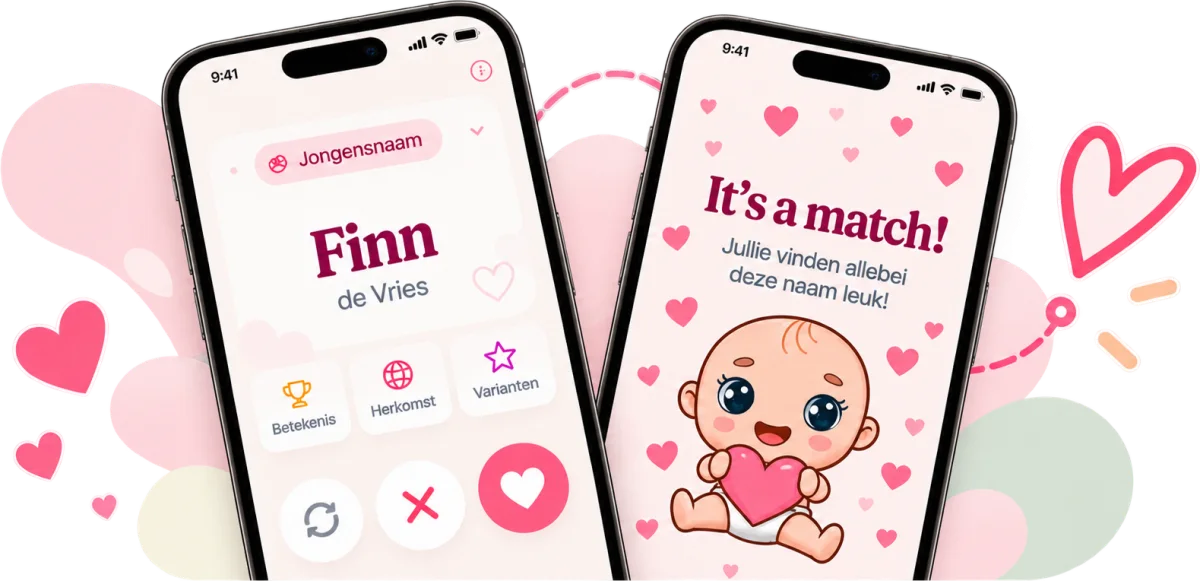
Is Pera on your list? Swipe together and find out whether your partner keeps it too.
Do you like Pera?
Swipe this name in the Baby Name Swiper app and find out whether your partner likes it too.

Frequently asked questions about Pera
What does the name Pera mean?
Pera is a English name. Pera is a Slavic name meaning rock or stone, symbolizing strength and stability, often used in Balkan cultures.
Where does the name Pera come from?
Pera is a name of English origin.
How popular is Pera?
In 2025, 5 children in England and Wales were given this name. Source: Office for National Statistics.
Is Pera a boy's or girl's name?
Pera is a girl's name.
How do you pronounce Pera?
Pera has 4 letters. There is a button above to hear it pronounced.
Which famous people are named Pera?
Famous people named Pera include: No widely known bearers are known. The name Pera is more commonly used as a nickname or diminutive form in Balkan cultures and is less often associated with specific famous individuals internationally. While it is a familiar and cherished name locally, prominent figures with this exact name do not widely appear in global public life or history records. Its cultural significance is more rooted in tradition and symbolism rather than celebrity status, making it a meaningful choice for many families within Slavic communities.