
 Girl's name
Reitze
Reitze is a Frisian name meaning 'famous ruler,' symbolizing leadership and strength in Northern European heritage.



big stories

Meaning of Reitze
Reitze is a Frisian name meaning 'famous ruler,' symbolizing leadership and strength in Northern European heritage.
Names like Reitze are often associated with qualities of leadership, confidence, and resilience.

Origin & background of Reitze
Reitze is a name rooted in Frisian culture, which is primarily associated with the Friesland region in the northern part of the Netherlands. Its meaning, 'famous ruler,' reflects qualities of leadership, authority, and respect, qualities highly valued in historical and cultural contexts. The name has been passed down through generations, often given to boys to symbolize strength and the capacity to lead.
Historically, Frisian names like Reitze carry a sense of regional pride and cultural identity, linking individuals to their heritage and traditions. Over centuries, the name has maintained its significance, resonating with families who wish to honor their Frisian ancestry. Its usage has been relatively consistent in Northern European communities, especially within Friesland, where naming practices often emphasize meaningful and noble qualities. Today, Reitze continues to evoke a sense of tradition and valor, connecting modern bearers to their cultural roots while embracing contemporary identity.
Popularity by country
No national register has reported Reitze, so we would rather show nothing than a figure we estimated.

Popularity in the app

Associations with the name Reitze
What follows describes the associations naming traditions attach to this name, not the people who carry it.
Names like Reitze are often associated with qualities of leadership, confidence, and resilience. Bearers of this name are traditionally believed to possess a strong sense of responsibility and a natural inclination to lead or inspire others. They are seen as dependable, assertive, and ambitious, often striving for excellence in their endeavors.
The cultural connotations of the name also suggest a personality that values tradition, heritage, and respect for history. People with this name may exhibit a charismatic presence and a sense of dignity, reflecting the noble meaning of 'famous ruler. Overall, Reitze is a name that embodies strength, honor, and the capacity to influence and guide others positively.

Spellings & variants
We know of no other spellings of Reitze yet. If we find them, they will be here.

Famous bearers
No widely known bearers are known. However, the name Reitze has been borne by individuals within Frisian communities, often as a family or regional name rather than by internationally recognized figures. Its usage remains more cultural and traditional, symbolizing leadership and strength within local contexts rather than global fame. As a result, it holds a special significance for families honoring their Frisian heritage and values, serving as a reminder of noble qualities associated with historical rulers and leaders from Northern Europe.
Similar names
0% of the people who saw Reitze in the app liked it. Swipe together and find out whether your partner keeps it too.
Do you like Reitze?
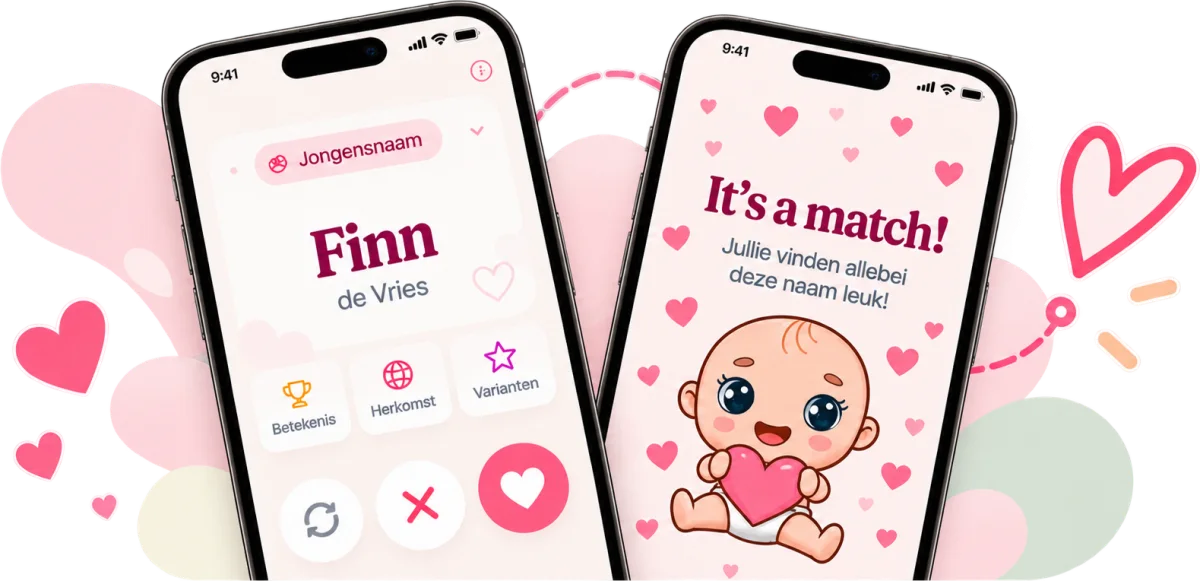
Swipe this name in the Baby Name Swiper app and find out whether your partner likes it too.

Frequently asked questions about Reitze
What does the name Reitze mean?
Reitze is a Frisian name. Reitze is a Frisian name meaning 'famous ruler,' symbolizing leadership and strength in Northern European heritage.
Where does the name Reitze come from?
Reitze is a name of Frisian origin.
How popular is Reitze?
Within Baby Name Swiper Reitze sits at number 17591, and 0% of the people who saw it liked it.
Is Reitze a boy's or girl's name?
Reitze is a girl's name.
How do you pronounce Reitze?
Reitze has 6 letters. There is a button above to hear it pronounced.
Which famous people are named Reitze?
Famous people named Reitze include: No widely known bearers are known. However, the name Reitze has been borne by individuals within Frisian communities, often as a family or regional name rather than by internationally recognized figures. Its usage remains more cultural and traditional, symbolizing leadership and strength within local contexts rather than global fame. As a result, it holds a special significance for families honoring their Frisian heritage and values, serving as a reminder of noble qualities associated with historical rulers and leaders from Northern Europe.