
 Boy's name
Runvald
Runvald is a Scandinavian name meaning 'ruler's power,' symbolizing strength and leadership in Norse heritage.


big stories

Meaning of Runvald
Runvald is a Scandinavian name meaning 'ruler's power,' symbolizing strength and leadership in Norse heritage.
Names like Runvald are traditionally associated with qualities of strength, leadership, and resilience.

Origin & background of Runvald
Runvald is a name rooted in Scandinavian tradition, combining the elements 'run,' meaning 'ruler' or 'power,' and 'vald,' which signifies 'rule' or 'authority. This name is closely associated with Norse heritage, reflecting qualities of leadership, strength, and sovereignty that were highly valued in Viking society. Historically, names like Runvald may have been used to honor chieftains or warriors who demonstrated exceptional bravery and influence within their communities.
The name’s usage has persisted through centuries, often symbolizing a desire for a future leader or protector for the bearer. Although less common today, Runvald continues to evoke a sense of noble strength and cultural pride among Scandinavian families. Its rich etymology and historical significance make it a meaningful choice for parents seeking a name that embodies power and leadership qualities rooted in Norse tradition.

Popularity by country
No national register has reported Runvald, so we would rather show nothing than a figure we estimated.

Popularity in the app
Too few people have swiped Runvald for us to say anything useful about its popularity in the app.
Associations with the name Runvald
What follows describes the associations naming traditions attach to this name, not the people who carry it.
Names like Runvald are traditionally associated with qualities of strength, leadership, and resilience. Individuals bearing this name are often thought to possess a commanding presence and a sense of responsibility. They are perceived as natural leaders who inspire confidence and respect in others.
The name suggests a personality that values courage, determination, and integrity, reflecting the noble traits of Norse warriors and rulers. People with this name may also be seen as protective and loyal, embodying the qualities of a true guardian. Overall, Runvald evokes a persona of noble strength and dependable leadership, inspiring those around them to strive for greatness.

Spellings & variants
We know of no other spellings of Runvald yet. If we find them, they will be here.

Famous bearers
No widely known bearers are known. The name Runvald remains relatively rare and does not have prominent historical or modern figures associated with it. Its rarity adds to its unique charm, making it an appealing choice for parents looking for a distinctive yet culturally meaningful name for their child. While there are no notable public figures with this exact name, its historical roots suggest it was once used among Scandinavian warriors or nobility, symbolizing strength and authority in old Norse society.
Similar names
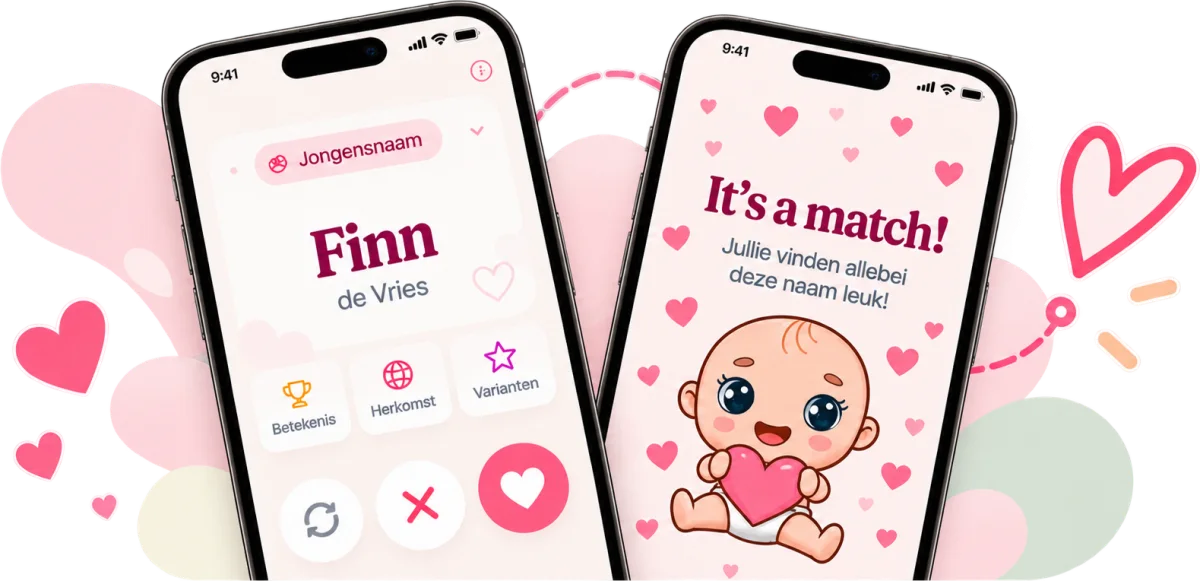
Is Runvald on your list? Swipe together and find out whether your partner keeps it too.
Do you like Runvald?
Swipe this name in the Baby Name Swiper app and find out whether your partner likes it too.

Frequently asked questions about Runvald
What does the name Runvald mean?
Runvald is a Danish name. Runvald is a Scandinavian name meaning 'ruler's power,' symbolizing strength and leadership in Norse heritage.
Where does the name Runvald come from?
Runvald is a name of Danish origin.
How popular is Runvald?
There are no figures yet on how often Runvald is given.
Is Runvald a boy's or girl's name?
Runvald is a boy's name.
How do you pronounce Runvald?
Runvald has 7 letters. There is a button above to hear it pronounced.
Which famous people are named Runvald?
Famous people named Runvald include: No widely known bearers are known. The name Runvald remains relatively rare and does not have prominent historical or modern figures associated with it. Its rarity adds to its unique charm, making it an appealing choice for parents looking for a distinctive yet culturally meaningful name for their child. While there are no notable public figures with this exact name, its historical roots suggest it was once used among Scandinavian warriors or nobility, symbolizing strength and authority in old Norse society.