
 Boy's name
Velislav
Velislav is a Slavic name meaning glorious ruler, symbolizing strength and honor in Eastern European heritage.



big stories

Meaning of Velislav
Velislav is a Slavic name meaning glorious ruler, symbolizing strength and honor in Eastern European heritage.
The name Velislav is traditionally associated with qualities of strength, dignity, and leadership.

Origin & background of Velislav
Velislav is a name rooted deeply in Slavic culture, where it combines the elements 'veli,' meaning 'great' or 'glorious,' and 'slav,' meaning 'glory' or 'fame. Historically, names with the suffix 'slav' were popular among Slavic nations, often reflecting aspirations of honor, strength, and leadership. The name has been used across various Eastern European countries, including Czechia, Slovakia, Poland, and Bulgaria, signifying a legacy of nobility and valor.
Its usage can be traced back to medieval times, where it was often given to princes, warriors, and leaders to symbolize their noble qualities and aspirations for greatness. Over centuries, Velislav has maintained its cultural significance, symbolizing not only a glorious ruler but also embodying virtues like integrity, resilience, and respect. In modern times, the name continues to evoke a sense of heritage and pride, often chosen by parents who wish to honor their Slavic roots and cultural traditions.
Popularity by country
No national register has reported Velislav, so we would rather show nothing than a figure we estimated.

Popularity in the app

Associations with the name Velislav
What follows describes the associations naming traditions attach to this name, not the people who carry it.
The name Velislav is traditionally associated with qualities of strength, dignity, and leadership. Individuals bearing this name are often perceived as honorable, resilient, and possessing a commanding presence. The name suggests a personality that values tradition, respect, and integrity, often inspiring trust and admiration from others.
People with this name may also exhibit a sense of responsibility, bravery, and a desire to serve or lead within their communities. Overall, Velislav conveys a character of nobility and virtue, aligning with its historical roots as a name for rulers and heroes in Slavic culture.

Spellings & variants
We know of no other spellings of Velislav yet. If we find them, they will be here.

Famous bearers
No widely known bearers are known. However, the name Velislav has been borne by several notable historical figures in Slavic history, including Velislav, a medieval ruler and nobleman, and various saints and leaders who contributed to their respective cultures. These figures helped preserve the name's legacy as a symbol of leadership and honor. In contemporary times, it remains a cherished name among families in Eastern Europe, often carrying cultural and familial significance rather than widespread international recognition.
Similar names
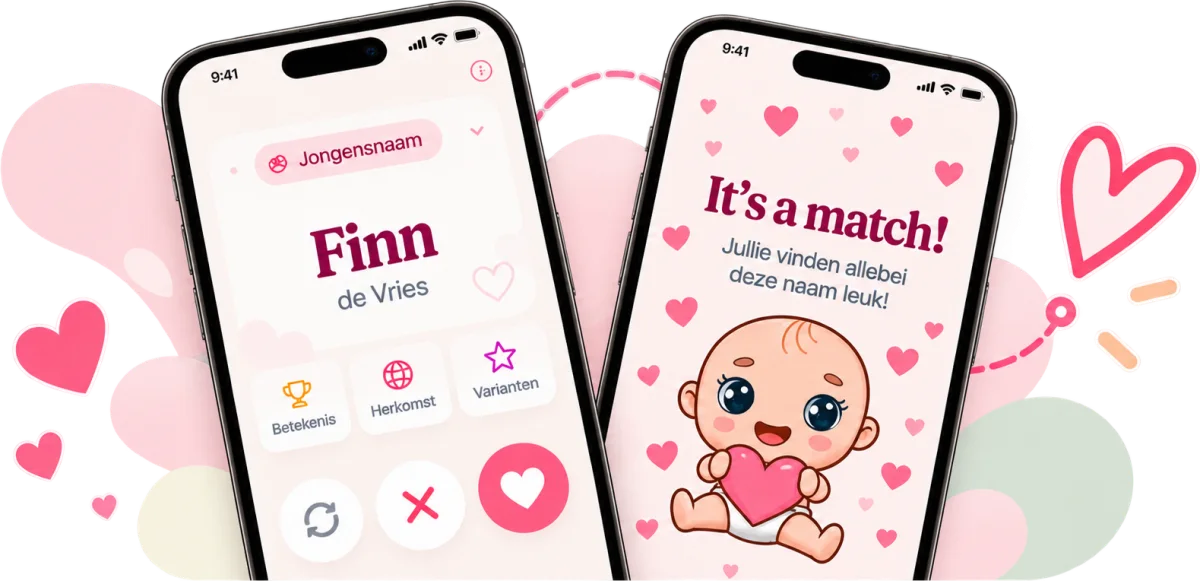
Is Velislav on your list? Swipe together and find out whether your partner keeps it too.
Do you like Velislav?
Swipe this name in the Baby Name Swiper app and find out whether your partner likes it too.

Frequently asked questions about Velislav
What does the name Velislav mean?
Velislav is a Bulgarian name. Velislav is a Slavic name meaning glorious ruler, symbolizing strength and honor in Eastern European heritage.
Where does the name Velislav come from?
Velislav is a name of Bulgarian origin.
How popular is Velislav?
Within Baby Name Swiper Velislav sits at number 11002, and 0% of the people who saw it liked it.
Is Velislav a boy's or girl's name?
Velislav is a boy's name.
How do you pronounce Velislav?
Velislav has 8 letters. There is a button above to hear it pronounced.
Which famous people are named Velislav?
Famous people named Velislav include: No widely known bearers are known. However, the name Velislav has been borne by several notable historical figures in Slavic history, including Velislav, a medieval ruler and nobleman, and various saints and leaders who contributed to their respective cultures. These figures helped preserve the name's legacy as a symbol of leadership and honor. In contemporary times, it remains a cherished name among families in Eastern Europe, often carrying cultural and familial significance rather than widespread international recognition.