
 Girl's name
Waltra
Waltra is a Germanic name meaning ruler of the army, symbolizing strength and leadership in ancient warrior culture.



big stories

Meaning of Waltra
Waltra is a Germanic name meaning ruler of the army, symbolizing strength and leadership in ancient warrior culture.
Names like Waltra are often associated with qualities of strength, leadership, and resilience.

Origin & background of Waltra
Waltra is rooted in ancient Germanic traditions, combining the elements 'wald,' meaning 'rule' or 'power,' and 'tra,' derived from 'treo,' meaning 'tree' or 'strength. Historically, names with similar structures were often given to children expected to embody leadership qualities and bravery, reflecting the warrior culture of early Germanic tribes. The name's connotations of authority and strength made it a popular choice among nobility and warriors in medieval Germany.
Over time, Waltra has maintained its association with strength, but it also symbolizes stability, resilience, and the nurturing aspect of leadership, much like a mighty tree providing shelter and support. Although less common today, the name carries a sense of historical depth and cultural pride, often evoking images of powerful women or leaders who embody courage and wisdom across various Germanic-speaking regions. Its timeless appeal lies in its ability to connect modern bearers with a proud heritage of strength and resilience.
Popularity by country
No national register has reported Waltra, so we would rather show nothing than a figure we estimated.

Popularity in the app

Associations with the name Waltra
What follows describes the associations naming traditions attach to this name, not the people who carry it.
Names like Waltra are often associated with qualities of strength, leadership, and resilience. Individuals bearing this name are thought to possess a commanding presence and a natural ability to lead and inspire others. They are typically viewed as dependable, courageous, and determined, with a strong sense of purpose.
The name encourages traits of wisdom, stability, and loyalty, reflecting the enduring qualities of a true leader. People with this name are often admired for their integrity, resilience in challenging situations, and their capacity to nurture and protect those around them. Overall, Waltra embodies a personality that combines strength with compassion, making it a fitting choice for someone destined to leave a meaningful mark on their community.

Spellings & variants
We know of no other spellings of Waltra yet. If we find them, they will be here.

Famous bearers
No widely known bearers are known. The name Waltra has not been associated with prominent international figures or celebrities, which adds to its rare and distinctive character. However, it remains a meaningful choice for parents seeking a name with historical richness and cultural significance, often passed down through family traditions or used in literary and historical contexts within German-speaking communities. This name is more appreciated for its deep roots and symbolic strength rather than fame or celebrity status.
Similar names
0% of the people who saw Waltra in the app liked it. Swipe together and find out whether your partner keeps it too.
Do you like Waltra?
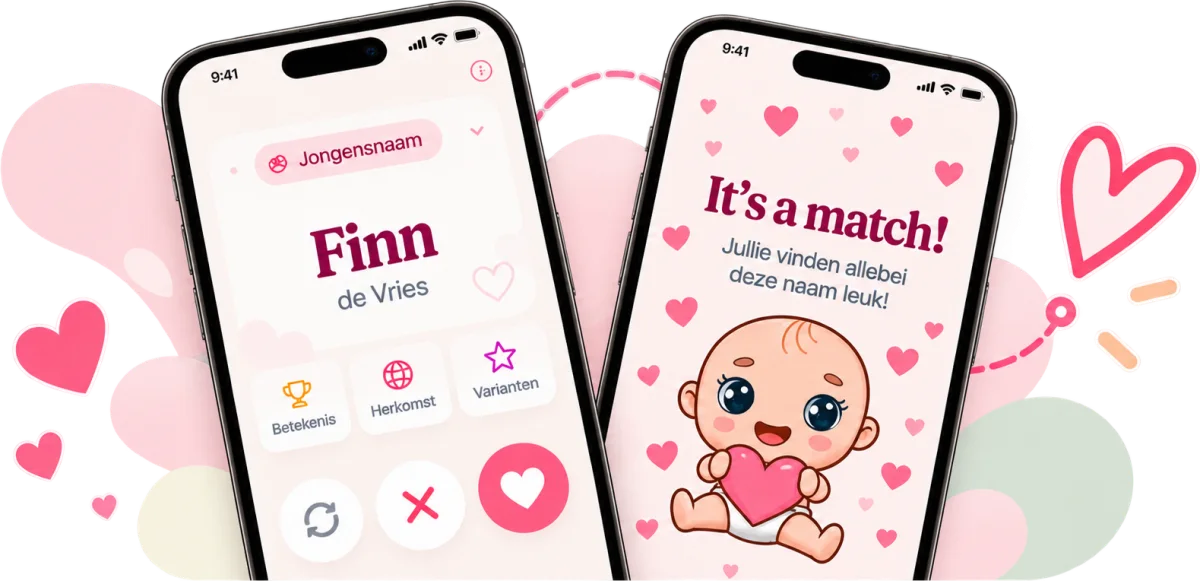
Swipe this name in the Baby Name Swiper app and find out whether your partner likes it too.

Frequently asked questions about Waltra
What does the name Waltra mean?
Waltra is a German name. Waltra is a Germanic name meaning ruler of the army, symbolizing strength and leadership in ancient warrior culture.
Where does the name Waltra come from?
Waltra is a name of German origin.
How popular is Waltra?
Within Baby Name Swiper Waltra sits at number 12195, and 0% of the people who saw it liked it.
Is Waltra a boy's or girl's name?
Waltra is a girl's name.
How do you pronounce Waltra?
Waltra has 6 letters. There is a button above to hear it pronounced.
Which famous people are named Waltra?
Famous people named Waltra include: No widely known bearers are known. The name Waltra has not been associated with prominent international figures or celebrities, which adds to its rare and distinctive character. However, it remains a meaningful choice for parents seeking a name with historical richness and cultural significance, often passed down through family traditions or used in literary and historical contexts within German-speaking communities. This name is more appreciated for its deep roots and symbolic strength rather than fame or celebrity status.