
 Girl's name
Zaima
Zaima is an Arabic name meaning leader or chief, symbolizing authority and guidance in Islamic culture.


big stories

Meaning of Zaima
Zaima is an Arabic name meaning leader or chief, symbolizing authority and guidance in Islamic culture.
Names like Zaima are often associated with traits of leadership, confidence, and wisdom.

Origin & background of Zaima
Zaima is a name rooted in Arabic language and culture, where it signifies a figure of leadership, authority, and guidance. The name is derived from the Arabic root 'z-y-m', which relates to leading or commanding, reflecting qualities of strength and responsibility. Throughout history, similar names have been used among Arab and Islamic communities to denote individuals who hold positions of influence or serve as role models within their families and communities.
The name Zaima often carries connotations of wisdom and respect, emphasizing the importance of moral and spiritual guidance in Islamic tradition. Its usage has remained consistent over time, and it is appreciated for its meaningful and empowering significance. In modern contexts, Zaima continues to symbolize a person who is confident and capable of leading others, making it a popular choice for parents who wish to instill qualities of leadership and integrity in their children.

Popularity in England and Wales

Popularity in the app
Too few people have swiped Zaima for us to say anything useful about its popularity in the app.
Associations with the name Zaima
What follows describes the associations naming traditions attach to this name, not the people who carry it.
Names like Zaima are often associated with traits of leadership, confidence, and wisdom. Individuals with this name are traditionally believed to possess a natural authority and a guiding spirit, inspiring trust and respect from others. The name suggests a person who is responsible, decisive, and compassionate, often seen as a role model within their social circle.
Those named Zaima are thought to carry a sense of dignity and moral strength, reflecting the qualities of a true leader. In cultural contexts, such individuals are valued for their ability to lead with integrity and inspire positive change. The personality traits linked to the name emphasize resilience, empathy, and a strong sense of purpose, making Zaima a name that embodies both strength and nurturing qualities.

Spellings & variants
We know of no other spellings of Zaima yet. If we find them, they will be here.

Famous bearers
No widely known bearers are known. There are no prominent public figures with the name Zaima who have Wikipedia pages or are internationally recognized. This gives the name a timeless and universal appeal, free from associations with specific personalities, allowing it to be chosen for its cultural and spiritual significance rather than fame.
It remains a meaningful name within Arabic-speaking communities and among those who value its cultural roots. Its rarity also adds an element of uniqueness for those who choose it for their children, making it a distinctive yet culturally rich option in baby naming.
Similar names
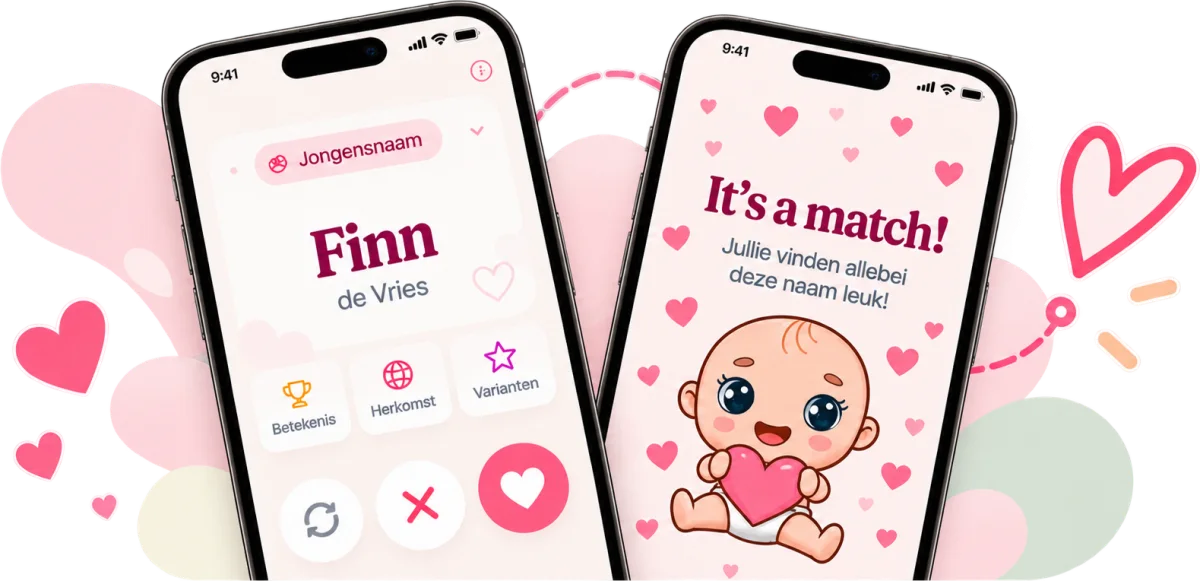
Is Zaima on your list? Swipe together and find out whether your partner keeps it too.
Do you like Zaima?
Swipe this name in the Baby Name Swiper app and find out whether your partner likes it too.

Frequently asked questions about Zaima
What does the name Zaima mean?
Zaima is a English name. Zaima is an Arabic name meaning leader or chief, symbolizing authority and guidance in Islamic culture.
Where does the name Zaima come from?
Zaima is a name of English origin.
How popular is Zaima?
In 2024, 7 children in England and Wales were given this name. Source: Office for National Statistics.
Is Zaima a boy's or girl's name?
Zaima is a girl's name.
How do you pronounce Zaima?
Zaima has 5 letters. There is a button above to hear it pronounced.
Which famous people are named Zaima?
Famous people named Zaima include: No widely known bearers are known. There are no prominent public figures with the name Zaima who have Wikipedia pages or are internationally recognized. This gives the name a timeless and universal appeal, free from associations with specific personalities, allowing it to be chosen for its cultural and spiritual significance rather than fame. It remains a meaningful name within Arabic-speaking communities and among those who value its cultural roots. Its rarity also adds an element of uniqueness for those who choose it for their children, making it a distinctive yet culturally rich option in baby naming.