
 Girl's name
Alfreda
Alfreda is an Old English name meaning noble counselor, symbolizing wisdom and leadership in heritage and significance.



big stories

Meaning of Alfreda
Alfreda is an Old English name meaning noble counselor, symbolizing wisdom and leadership in heritage and significance.
The name Alfreda is often associated with qualities of wisdom, dignity, and leadership.

Origin & background of Alfreda
Alfreda is a feminine form of the Old English name Alfred, which itself combines the elements 'aelf,' meaning elf or supernatural being, and 'raed,' meaning counsel or advice. Historically, the name has been associated with nobility and leadership, particularly in medieval England, where it was borne by queens and noblewomen. The name carries a sense of wisdom, strength, and guidance, reflecting qualities prized in both ancient and modern contexts.
Over the centuries, Alfreda has experienced periods of popularity across English-speaking countries, often chosen for its regal and refined connotations. Its enduring appeal lies in its connection to heritage and the virtues of wisdom and guidance, making it a meaningful choice for families seeking a name with historical depth and noble undertones. In various cultures, variations of the name have appeared, emphasizing its universal themes of leadership and nobility, and its usage continues to evoke a sense of tradition and dignity.
Popularity in France

Popularity in the app

Associations with the name Alfreda
What follows describes the associations naming traditions attach to this name, not the people who carry it.
The name Alfreda is often associated with qualities of wisdom, dignity, and leadership. Individuals with this name are traditionally perceived as strong, compassionate, and trustworthy, embodying a sense of guidance and stability. They are often seen as thoughtful and insightful, with a natural inclination towards helping others and making wise decisions.
Alfreda-bearing personalities tend to be poised and respectful, valuing tradition and heritage while also demonstrating resilience and independence. This name also evokes a nurturing spirit, combined with a sense of authority and purpose, making it ideal for someone who seeks to lead or inspire with integrity and kindness.

Spellings & variants
We know of no other spellings of Alfreda yet. If we find them, they will be here.

Famous bearers
No widely known bearers are known. However, the name Alfreda has been borne by several notable women in history and the arts. For example, Alfreda Markowska was a Polish nun and mystic known for her piety and spiritual insights.
Alfreda Benge was a renowned British artist recognized for her detailed illustrations. Additionally, Alfreda, Countess of Orange-Nassau, was a noble figure associated with European royal circles. These figures exemplify the name’s association with strength, spirituality, and nobility, contributing to its timeless appeal across generations.
Similar names
0% of the people who saw Alfreda in the app liked it. Swipe together and find out whether your partner keeps it too.
Do you like Alfreda?
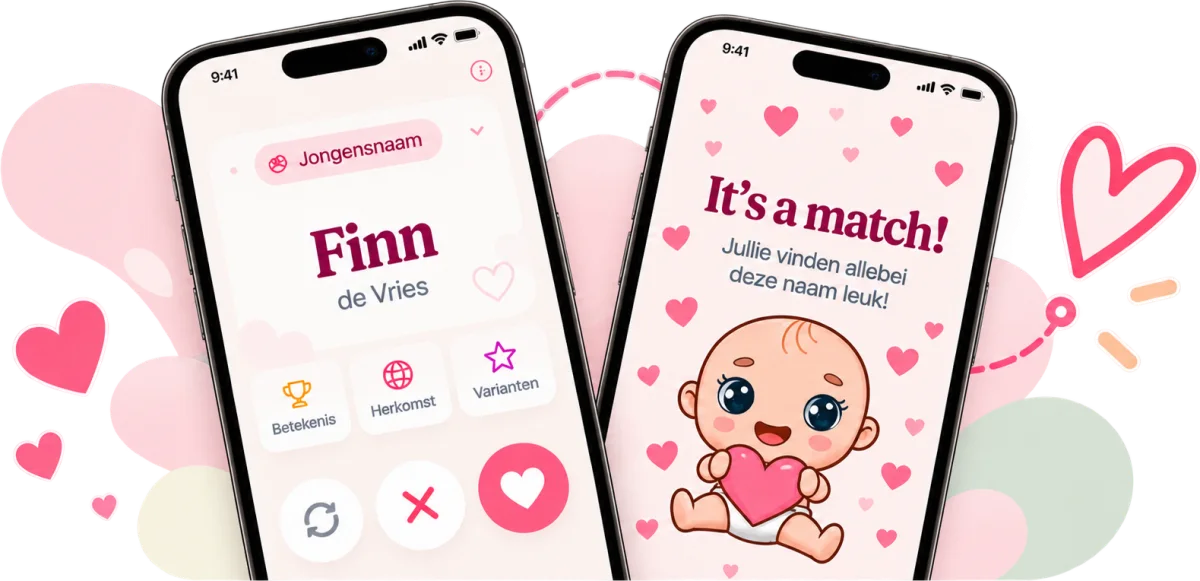
Swipe this name in the Baby Name Swiper app and find out whether your partner likes it too.

Frequently asked questions about Alfreda
What does the name Alfreda mean?
Alfreda is an Old English name meaning noble counselor, symbolizing wisdom and leadership in heritage and significance.
How popular is Alfreda?
In 1962, 10 children in France were given this name. Source: INSEE. Within Baby Name Swiper Alfreda sits at number 22681, and 0% of the people who saw it liked it.
Is Alfreda a boy's or girl's name?
Alfreda is a girl's name.
Which famous people are named Alfreda?
Famous people named Alfreda include: No widely known bearers are known. However, the name Alfreda has been borne by several notable women in history and the arts. For example, Alfreda Markowska was a Polish nun and mystic known for her piety and spiritual insights. Alfreda Benge was a renowned British artist recognized for her detailed illustrations. Additionally, Alfreda, Countess of Orange-Nassau, was a noble figure associated with European royal circles. These figures exemplify the name’s association with strength, spirituality, and nobility, contributing to its timeless appeal across generations.